Coffee to Water Ratio Calculator
How to Use This Calculator
- Select your brew method. Choose from the 10 methods across the top — pour over, French press, espresso, cold brew, and more. The recommended ratio range adjusts automatically for each method's extraction characteristics.
- Set your preferred strength. Use the four-button strength selector: Mild sits at the higher end of the ratio (more water per gram of coffee), while Bold uses significantly less water for a concentrated, intense cup.
- Choose your input mode. Toggle between "I want X cups" (enter cups + cup size → get coffee needed) and "I have X grams" (enter grams → get water volume). Results update in real time as you type.
- Switch units as needed. Toggle between ml and fl oz for water, and °F and °C for temperature using the small pill toggles beneath the inputs.
- Copy your full recipe. Click "Copy Recipe" at the bottom of the summary card to copy all parameters — coffee dose, water volume, ratio, grind size, temperature, and brew time — to your clipboard.
Understanding Coffee to Water Ratios
A coffee to water ratio is the relationship between the mass of dry coffee grounds and the mass of water used to brew them. It's expressed as a simple number like 1:16, meaning one gram of coffee for every sixteen grams of water. The coffee to water ratio is the single most controllable variable in brewing — it directly sets the strength and body of your cup before any other factor comes into play.
The Specialty Coffee Association (SCA) defines its Golden Cup standard as 55 grams of coffee per litre of water, which equates to a 1:18 ratio. This figure was derived from large-scale consumer preference studies and represents the centre of the range most people find pleasing when brewed by a calibrated automatic drip machine. In specialty coffee practice, most baristas pull back to 1:15–1:16 to compensate for the slightly lower extraction efficiency of manual methods and to produce a more characterful cup.
Ratio interacts with every other brewing variable. Grind size determines the surface area exposed to water and the speed of extraction — a finer grind extracts faster, which is why espresso (which brews in 25–30 seconds) uses such a concentrated ratio. Water temperature affects how quickly and completely flavour compounds dissolve. Brew time determines how long those extractions continue. If you change any one variable, you often need to adjust the ratio to compensate and maintain the flavour balance you're after.
The practical takeaway: start with the balanced ratio this calculator recommends for your chosen method. If the cup tastes weak or watery, use less water (lower ratio number). If it tastes bitter or astringent, use more water (higher ratio number) or consider adjusting grind coarseness before touching the ratio. Accurate measurement using a kitchen scale is essential.
Coffee Ratio Quick-Reference Chart
All values are by weight (grams). Ratios are expressed as coffee:water. Temperature ranges represent the optimal extraction window for each method.
| Brew Method | Mild | Balanced | Strong | Bold | Grind Size | Water Temp | Brew Time |
|---|---|---|---|---|---|---|---|
| Pour Over | 1:18 | 1:16 | 1:14 | 1:13 | Medium-Fine | 195–205°F | 2:30–4:00 |
| French Press | 1:17 | 1:15 | 1:13 | 1:12 | Coarse | 195–200°F | 4:00–5:00 |
| AeroPress | 1:17 | 1:15 | 1:13 | 1:11 | Medium-Fine | 175–205°F | 1:00–2:00 |
| Drip / Auto | 1:18 | 1:16 | 1:15 | 1:14 | Medium | 195–205°F | 4:00–6:00 |
| Chemex | 1:17 | 1:15 | 1:14 | 1:13 | Medium-Coarse | 195–205°F | 3:30–4:30 |
| Moka Pot | 1:10 | 1:8 | 1:7 | 1:6 | Fine | Medium heat | 4:00–5:00 |
| Cold Brew | 1:15 | 1:12 | 1:10 | 1:8 | Extra Coarse | Room temp | 12–24 hrs |
| Espresso | 1:3 | 1:2 | 1:1.8 | 1:1.5 | Fine | 195–205°F | 25–35 sec |
| Turkish | 1:12 | 1:10 | 1:9 | 1:8 | Extra Fine | Below boil | 2:00–3:00 |
| Siphon | 1:16 | 1:14 | 1:12 | 1:11 | Medium | 195–200°F | 1:30–2:30 |
Pro Tips for Better Coffee Ratios
- Always weigh by grams, never by volume. A tablespoon of finely ground dark roast weighs significantly more than a tablespoon of coarsely ground light roast. Volume measurements introduce 20–30% error into your ratio before you even start brewing. A basic kitchen scale — any scale accurate to 0.1g — eliminates this variable entirely and is the single highest-impact equipment upgrade available.
- Account for absorption and retention. Your brewed coffee volume will always be less than your water input — coffee grounds absorb roughly 2ml of water per gram of coffee. For a 20g dose, expect to lose approximately 40ml to absorption. Factor this in if you're trying to hit a precise yield volume.
- Change one variable at a time. When dialling in a new coffee, adjust ratio or grind size separately — never both simultaneously. If your cup is weak and sour (under-extracted), try a finer grind first before increasing your coffee dose. If it's bitter (over-extracted), coarsen the grind or reduce brew time before adjusting ratio.
- Freshness affects perceived strength. Stale coffee tastes thin and flat even at correct ratios because its volatile aromatic compounds have off-gassed. A coffee ground 10 days ago and brewed at 1:15 will often taste weaker than a fresh coffee at 1:17. If your cup lacks body or sweetness despite a correct ratio, freshness is likely the culprit.
- Water quality matters as much as ratio. Minerals in water — specifically magnesium and calcium — are what actually carry coffee flavour compounds into solution. Distilled water produces flat coffee regardless of ratio. Filtered tap water with 50–175 ppm TDS is the sweet spot.
Frequently Asked Questions
The Specialty Coffee Association (SCA) recommends a golden ratio of 1:18 (1 gram of coffee per 18 grams of water) for most drip brewing methods, yielding approximately 55 grams of coffee per litre of water. In practice, most specialty baristas brew between 1:15 and 1:17 for a well-balanced cup. The right ratio depends on your brew method, grind size, water temperature, and personal taste preference.
For a standard 8 oz (237 ml) cup brewed at a 1:16 ratio, you need approximately 15 grams of coffee. At a stronger 1:14 ratio, that rises to about 17 grams. For a 12 oz cup at 1:16, use roughly 22 grams. The exact amount varies by brew method — espresso uses far less water relative to coffee (1:2 ratio), while cold brew uses much more coffee relative to water (1:8–1:12).
A 1:15 coffee to water ratio means you use 1 gram of coffee for every 15 grams (or millilitres) of water. So for 20 grams of coffee, you'd use 300 ml of water. This ratio sits on the stronger side of the SCA's recommended range and produces a full-bodied, well-extracted cup — a common choice for pour over and French press brewing.
Always measure by weight (grams). Coffee density varies enormously by roast level and grind size — a tablespoon of light roast whole beans weighs much less than a tablespoon of dark roast grounds. Using a kitchen scale for both coffee and water is the single biggest quality improvement you can make to your brewing routine. Any scale accurate to 0.1g will do the job perfectly.
The Specialty Coffee Association's Golden Cup standard recommends 55 grams of coffee per litre of water (±10%), which works out to a 1:18.2 ratio. This is calibrated for automatic drip brewers operating at the correct temperature and extraction time. For manual methods like pour over or French press, most specialty baristas adjust to 1:15–1:16 to account for differences in extraction efficiency.
For strong coffee, use a 1:13 to 1:14 ratio for most brew methods. For pour over, 1:14 is strong but still balanced. For French press, 1:12–1:13 gives a bold, full-bodied cup. Going below 1:12 risks over-extraction and bitterness unless you compensate with a coarser grind or shorter brew time. Use the "Bold" setting in this calculator to reach the strong end of each method's range.
Yes. Espresso ratios express the relationship between the dry coffee dose and the liquid espresso yield. A 1:2 ratio means 18 grams of coffee yields 36 grams of espresso — the standard for a double shot. Specialty cafés often pull ristretto (1:1.5) for concentrated sweetness or lungo (1:3) for a longer shot. Our dedicated espresso ratio calculator handles these dose-to-yield calculations specifically.
No — each brew method has a different extraction efficiency, contact time, and grind size, all of which affect how much flavour is pulled from the coffee. A 1:16 ratio works beautifully for pour over but will taste weak in a French press (which extracts more aggressively due to full immersion) and would be completely wrong for espresso. Always use the ratio range recommended for your specific brewing method.
Related Tools
Calculate dose-to-yield ratios for espresso. Set your dose, choose a ratio (ristretto, normal, lungo), and get the exact shot weight to pull.
Enter your French press volume and strength preference to get the exact coffee dose. Includes timing and temperature guidance.
Calculate cold brew concentrate or ready-to-drink ratios. Choose steep time and strength to dial in your cold brew batch perfectly.
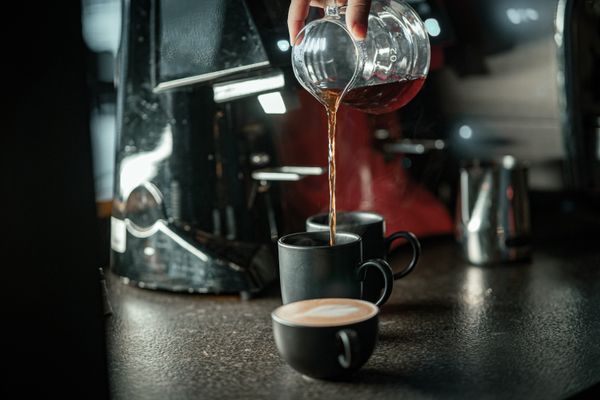
Interactive grind size reference for every brew method. Filter by coarseness level and see micron ranges, ratios, and brew times side by side.
Go Deeper on Coffee Ratios
From the SCA golden cup standard to dialling in pour over and espresso, our guides cover the science and practice behind every ratio decision.
From the Blog
View all guides →
What the SCA's 1:18 standard actually means, where it came from, and how to use it as a starting point rather than a rule.
Why 1:15 and 1:16 dominate specialty pour over, how bloom affects your final ratio, and the method for dialling in any new coffee.
The difference between a stronger ratio and over-extraction, and the right numbers to hit for bold but balanced results.
Extraction percentage, TDS, and why the ratio you set determines everything from sourness to bitterness in your cup.
How to approximate your coffee to water ratio by volume when you don't have a scale — and the margin of error to expect.
The full breakdown of the SCA's brewing control chart — extraction yield, TDS, and where the golden ratio fits in.